Exploring the Impact of Digital Innovation on Beauty
Key Takeaways
- Digital innovation is reshaping how beauty products are developed, marketed, and used.
- AI-driven tools are helping personalize beauty experiences and recommendations.
- Emerging technologies such as AR are enhancing product trials and consumer engagement.
- Social media plays a vital role in trendsetting and shaping consumer preferences.
- With the rise of e-commerce, online shopping for beauty products continues to grow.
As we approach 2026, the beauty industry is undergoing a significant transformation driven by digital innovation. From personalized skincare recommendations powered by artificial intelligence (AI) to augmented reality (AR) tools that allow consumers to visualize products before purchasing them, the impact of technology is reshaping how we interact with beauty products and brands.
The role of artificial intelligence in beauty
Artificial intelligence is at the forefront of the digital revolution in the beauty sector. With the capability to analyze vast amounts of data, AI can provide personalized recommendations based on individual skin types, preferences, and beauty goals. This leads to better product choices for consumers and enhances their overall shopping experience.
AI applications in beauty
- Product recommendations: Analyzing skin types and preferences to suggest suitable products.
- Virtual consultations: Offering personalized advice through chatbots and expert recommendations.
- Trend analysis: Understanding consumer behavior and predicting emerging trends in the beauty market.
Augmented reality in the beauty industry
Augmented reality is another technological advancement that has changed the game for beauty consumers. AR applications enable customers to virtually try on makeup products or hairstyles before making a purchase, significantly enhancing customer satisfaction.
Benefits of AR in beauty
- Real-time trials: Consumers can experiment with different looks without committing to a purchase.
- Increased engagement: Brands can create interactive experiences that resonate with consumers.
- Reduced returns: By allowing customers to see how products look on them, AR helps lower the rate of product returns.
The impact of social media on beauty trends
Social media continues to serve as a driving force behind beauty trends. Platforms such as Instagram, TikTok, and YouTube have become essential for discovering new products, trends, and techniques. This digital exposure not only influences consumer choices but also impacts how brands market their offerings.
Social media trends and their effects
| Trend | Impact |
|---|---|
| Influencer marketing | Increased trust and credibility for products promoted by trusted figures. |
| Viral challenges | Rapid spread of new beauty techniques and products among users. |
| User-generated content | Brands leverage authentic reviews and testimonials to enhance credibility. |
The rise of e-commerce in beauty
The convenience of online shopping is changing how consumers purchase beauty products. With the global e-commerce market continuously expanding, more brands are investing in their online presence to meet consumer demands. The ease of browsing, reviewing, and purchasing products is driving this trend.
Why online shopping is booming
- Convenience: Consumers can shop for beauty products from the comfort of their homes.
- Access to reviews: Online platforms provide extensive reviews that assist in making informed choices.
- Variety: E-commerce sites offer a broader selection than traditional brick-and-mortar stores.
Challenges in the digital beauty space
With the surge in digital innovation, the beauty industry also faces challenges. These include ensuring data privacy, staying relevant in a rapidly changing market, and managing an abundant amount of product information.
Addressing digital challenges
- Data privacy: Brands must implement strict data protection measures to build consumer trust.
- Staying ahead: Continuous investment in technology and trend analysis can help brands keep pace with consumer expectations.
- Information overload: Brands should strive to present concise and engaging information to avoid overwhelming consumers.
Future trends in digital beauty innovation
As we look to the future, several trends are likely to gain even more traction in the personal care industry.
- Personalized skincare technology: Further advancements in AI will lead to even more customized skincare routines.
- Sustainable beauty products: The focus on sustainability will encourage innovations in eco-friendly packaging and formulations.
- Collaborative platforms: Increased partnerships between tech companies and beauty brands will innovate product offerings.
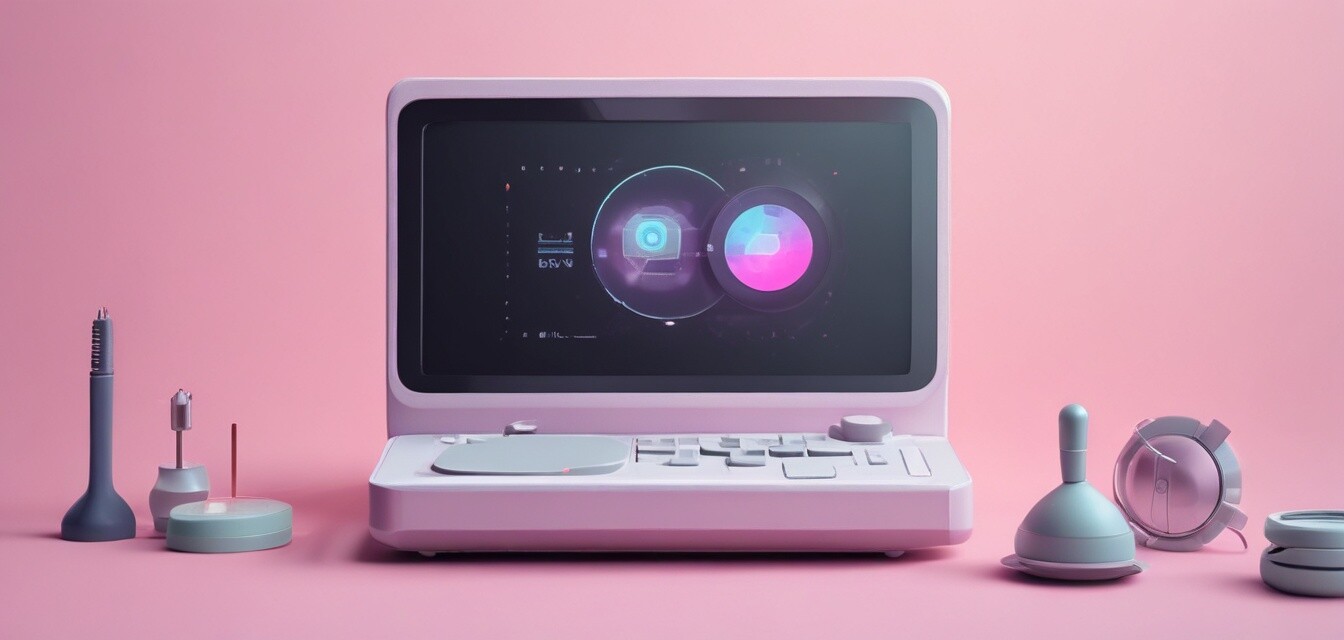
- Integration of IoT devices: Smart beauty devices that connect and sync with apps to provide user insights and recommendations.
Your journey in personal care gadgets
Staying informed and updated on innovations in personal care is crucial for making educated choices. For more insights into the latest trends, check out our News and Trends blog category, where we keep you updated with the hottest products shaping the beauty industry.
Pros
- Enhanced personalization of beauty products and services.
- Greater convenience through online shopping and virtual trials.
- Increased consumer engagement through social media platforms.
Cons
- Data privacy concerns from collecting personal information.
- Over-saturation of beauty products leading to consumer confusion.
- Potential loss of personal touch in consumer interactions.
As we move forward into this digital era, consumers are empowered more than ever to take charge of their beauty routines while brands adapt and innovate. Understanding these changes will be vital in navigating the evolving landscape of the beauty industry.