
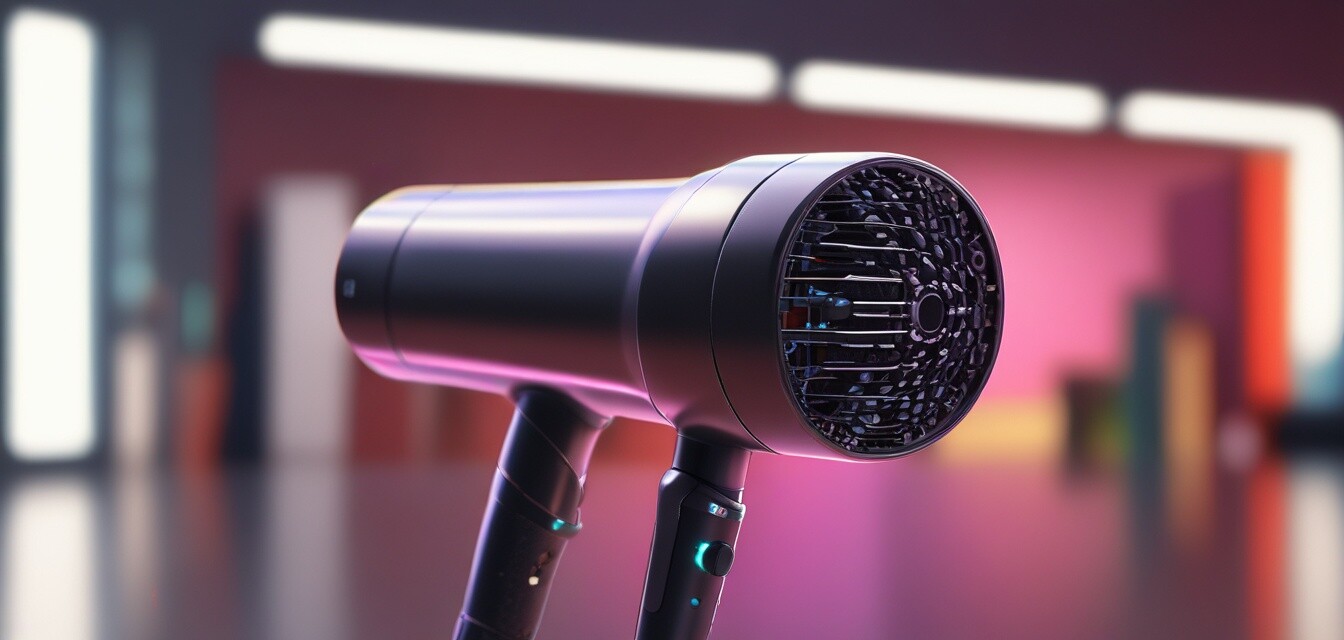
The Best Techniques for Drying Hair with Gadgets
Key Takeaways
- Modern hair drying gadgets offer advanced technology for efficient drying.
- Understanding different features of hair dryers can enhance your experience.
- Proper techniques can significantly reduce drying time.
- Combining tools can provide a versatile hair care routine.
Drying your hair is an essential part of your personal care routine, but with so many gadgets on the market today, how can you choose the best techniques to do it efficiently? In this article, we will unlock the secrets to drying your hair quickly and effectively, utilizing the latest hair dryer technologies available in 2026. Whether you’re in a rush or looking to improve your at-home styling skills, we have techniques designed for you.
Understanding the types of hair dryers
Before we delve into techniques, it is important to understand the different types of hair dryers available. Each type features specific technologies and functions
| Type of Hair Dryer | Key Features | Ideal For |
|---|---|---|
| Ionic Hair Dryers | Reduces frizz, quick drying time | Thick or frizzy hair |
| Tourmaline Hair Dryers | Generates negative ions, emits infrared heat | All hair types, especially damaged hair |
| Ceramic Hair Dryers | Even heat distribution, gentle drying | Fine or fragile hair |
| Lightweight Travel Dryers | Compact, usually dual voltage | Travel enthusiasts |
Techniques for effective hair drying
Now that you understand the types of hair dryers available, let’s look at some effective techniques for hair drying:
1. Prep your hair
Before using any gadget, prepare your hair:
- Use a heat protectant spray to safeguard your strands.
- Towel-dry your hair to remove excess moisture.
- Comb or brush your hair to eliminate tangles.
2. Use the right setting
Modern hair dryers come with multiple heat and speed settings. Here’s how you can use them:
- Start with a high-speed setting and medium heat to quickly remove moisture.
- Once your hair is about 80% dry, switch to a low-speed setting with lower heat for styling.
3. Section your hair
Drying your hair in sections allows for more thorough drying:
- Divide your hair into manageable sections, using clips.
- Focus on one section at a time for even drying.
- Use a round brush to enhance volume while drying.
4. Use the diffuser attachment
If you have curly or wavy hair, a diffuser can make all the difference:
- Attach the diffuser to the dryer.
- Place the curls into the bowl of the diffuser and dry on low speed.
- Allow your curls to define without disrupting them.
Combining tools for better results
For the best results, consider combining your hair dryer with other gadgets. Here are some ideas:
- Round brushes are great for adding volume when paired with a hair dryer.
- Using heat styling tools after drying can help achieve that polished look.
- A hair straightener or curling iron can provide flexibility in styling after drying.
Maintenance of your hair dryer
To ensure your hair dryers function well, consider these maintenance tips:
- Clean the filter regularly to prevent overheating.
- Store your hair dryer properly to avoid damage.
- Avoid yanking the cord when unplugging.
Beginner's section: Tips for the new user
- Get familiar with the settings; every hair type can benefit from personalized settings.
- Don’t rush! Sometimes taking your time leads to better results.
- Experiment with different techniques to find what works best for you.
Conclusion
Using the right techniques and gadgets can transform your hair drying routine. By understanding the tools at your disposal and applying effective drying techniques, you can enjoy beautifully dried hair while minimizing damage. Remember, every strand counts, and with these tips, you’ll be on your way to salon-quality results at home!
Pros
- Quick drying times with advanced technology.
- Less damage due to even heat distribution methods.
- Versatility in styles achieved with various attachments.
Cons
- Initial investment can be high for advanced gadgets.
- Learning curve involves mastering different techniques.
- Some models can be bulky and heavy.